Real-time corporate & regulatory signals for Indian markets — distilled by AI into actionable insight.
The deal combines EPL’s ₹4,568 cr turnover with Indovida’s ₹3,809 cr, creating an entity with about ₹8,377 cr revenue and boosting promoter ownership to 68.4% while cutting the public float to 31.6%.
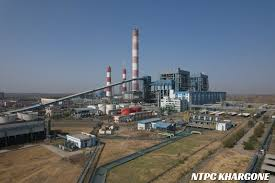
The 15‑month project will add about Rs 400 crore to FY‑27 revenue and offers a 15‑20% gross margin, including installation and a long‑term maintenance service for the battery system at NTPC’s Mouda plant.
Dr. Anup Shah will end his second term on March 28, 2026, and Achuthan Siddharth is slated to start on April 1, 2026 for a five‑year term, pending shareholder approval.
The amendment adds three weeks to the second‑closing deadline, moving the target to 18 months + 3 weeks after the Oct 2 2024 first closing, as HCG works to acquire the remaining 34% of Vizag Hospital.
The company reported zero revenue, a net loss of ₹655 lakh and only ₹19 lakh cash against short‑term borrowings of ₹12,411 lakh, highlighting severe liquidity strain.
The company submitted the unaudited statements on 28 Mar 2026, reporting zero operating revenue and a net loss of ₹54 lakh (‑0.08 EPS) while its plants remained closed under a court‑approved insolvency plan.
The dormant plant posted zero revenue and a ₹1,492 lakh loss for FY2022, with cash of only ₹20 lakh against short‑term borrowings of ₹12,411 lakh, underscoring high credit risk as the insolvency plan proceeds.
The unaudited quarter ending 30 Sept 2021 recorded zero revenue, a net loss of Rs 291 lakh and cash of only Rs 9 lakh, while short‑term borrowings rose to Rs 12,411 lakh, giving a debt‑to‑equity ratio of about 6.5×.
The filing shows a loss of Rs 273 lakh, down from Rs 1,128 lakh a year earlier, with only Rs 7 lakh cash and short‑term borrowings of Rs 12,411 lakh, while the company generated no revenue during the quarter.
The board confirmed the departure on 28 March 2026 and said it does not affect the bank’s results, risk profile or rating, which remains Moderately Positive. A notice will be filed once a replacement is appointed.
The 75 MW Bhadla tranche started on 25 Mar and the 105 MW Khavda‑II tranche on 29 Mar, taking NTPC’s total installed capacity to 88,889 MW and moving it toward its 30% renewable‑energy goal for 2030.
The deal adds about 8,000 ATMs to CMS’s portfolio and creates a recurring‑revenue stream, with the cash payment to be funded from internal reserves or debt.
The 750 MWh system, valued at about Rs 1,057 crore, will be built over 18 months and generate roughly Rs 667 crore of annual cash flow, supporting grid stability and diversifying CIL’s revenue.
The new outlet at Gopalan Arcade Mall raises Avenue Supermarts’ total stores to 478 and is funded from internal cash, keeping short‑term capital spending low while targeting higher same‑store sales in Bengaluru.
TVS Holdings injects ₹527 crore into Home Credit India Finance Private Limited (HCIFPL), lifting its stake to just over 80 %. - Subscribed 229,139,017 shares at ₹22.99 each, a cash infusion of ₹527 crore, raising ownership to 80.39 % and giving decisive control. - HCIFPL’s FY 2024‑25 results showed ₹2,096.54 crore turnover, a ₹530.04 crore loss after...
Sixteen unsecured creditors voted electronically from March 25‑27, 2026, under a National Company Law Tribunal order, approving the scheme that should lift the bank’s capital adequacy ratio and expand its product suite.
The National Company Law Tribunal approved the scheme, merging ICL Financial Services, ICL International, ICL Securities and India Cements Infrastructures into the parent on 28 Mar 2026, cutting compliance costs and improving balance‑sheet clarity.
TVS Motor is debuting its Apache RTR 310 in Morocco, aiming to capture the niche premium 201‑350 cc motorcycle market and use it as a springboard into North‑Africa. - The Apache RTR 310 features a 312.2 cc DOHC engine delivering 35.6 PS, a bidirectional quick‑shifter and a 5‑inch TFT display, positioned as a tech‑rich alternative to...
The agreement covers about 4,800 sq m of land on M.L. Dahanukar Marg and Dr. G. Deshmukh Marg, giving Oberoi a free‑sale right to 140,000 sq ft of RERA‑certified luxury units. It was disclosed under SEBI rules and will not affect current earnings.
The upgrade, to be finished by March 2027, will raise plant utilisation from about 80% to 90‑95% and is funded equally by retained earnings and new debt, reflecting confidence in rising wire demand.
Shareholders approved the appointment by postal ballot on March 27 2026, setting Garg’s term from Feb 2 2026 to Feb 1 2031. The move does not alter capital structure or dividend policy but aims to back growth projects.
The conversion brought in about Rs 10.18 crore, increasing the promoter group's holding to 49.37% and raising total shares to roughly 20.77 crore, while 1.02 crore warrants remain exercisable until September 2027.
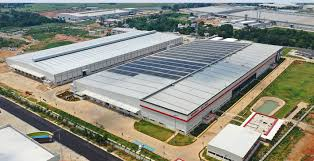
The Rs 90 crore facility can produce 10,000 metric tonnes of frozen food each year and is expected to add Rs 150‑200 crore of revenue in its first year at 70‑80% capacity, lifting EBITDA margins by up to 2 percentage points.
The cut follows a gas supply disruption linked to West‑Asian tensions, forcing the firm to run electric furnaces and raising operating costs while revenue for the quarter is expected to feel pressure.
The firm explained the March 27 surge after the NSE’s query, noting the statement was signed by Company Secretary D.N. Mishra and that no SEBI disclosures are pending, leaving fundamentals unchanged.
Shareholders voted between Feb 26 and Mar 27, approving Aditya Puri as MD for a five‑year term (May 2026‑Apr 2031) and two joint MDs and an independent director, each receiving over 90% support.
The guarantees back Rs 86.16 crore loan from State Bank of India and Rs 50 crore loan from Yes Bank to Oswal Solar Energy Pvt Ltd, funding solar projects while creating a contingent liability for the parent.
Shareholders cast 59.45 million votes, giving 90.79% support to MD Aditya Puri and over 99.9% to joint MDs, while independent director Arvind Sagar secured a second five‑year term. The appointments run from May 2026 to June 2031.
The service logged more than 50,000 daily orders in February and is estimated to generate roughly ₹500 million in monthly gross merchandise value, with an average order worth ₹500.
The resignation, submitted on 27 March, is voluntary and unrelated to performance, with the board tasked to name a successor while assuring continuity of the engineering division.
The 64‑year‑old, with 38 years at IFB and currently heading M&A and new projects, will serve until a permanent chief executive is named, and the board said the appointment faces no regulatory restrictions.
The resignation takes effect in July 2026 with a four‑month hand‑over period, and the company says the change should have no material impact on revenue, profit or cash flow.
The company settled the ₹9.98571 lacs interest on 27 March, a day before the 28 March compliance filing, covering two debenture series of ₹35.45 lacs and ₹1,376.22 lacs issue sizes.
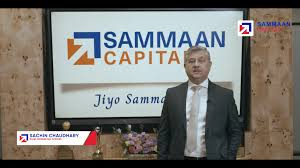
Sammaan Capital settled ₹7.87 lakh of interest for two debentures—₹0.168 lakh on a ₹26 lakh issue and ₹7.699 lakh on a ₹1.12 billion issue—on March 27, a day before the March 28 deadline, indicating ample cash.
The appointment, disclosed on March 28, 2026, names Sharad Kajaria—brother of MD Arvind Kajaria and a tech veteran with over 20 years experience—as CFO, with the board citing compliance with SEBI related‑party rules.
The conversion issues 98.89 crore rupees (≈9.9 billion) of 0.01% preference shares to UCO Bank, cutting debt and interest costs while keeping immediate dilution low.
The issue created about 37 million shares at ₹5.12 each, raising ₹18.94 crore and lifting paid‑up equity to ₹237.39 crore while cutting debt by roughly ₹19 crore, a 1.6% dilution for existing shareholders.
The plan includes a 4.70 GWh battery system costing Rs 5,822 crore and a Rs 3,174 crore equity boost that raises NTPC’s stake in the Meja Super Thermal Project to 2,400 MW, slated for completion by FY 2029‑30.
The board approved a 1.17 million warrant allotment on 28 Mar 2026 at ₹812 each, providing an immediate ₹23.75 crore and up to ₹95 crore if fully exercised to fund research, working capital and possible acquisitions.
The authority accepted Tata Steel’s revision applications (numbers 38‑40/2026) and ordered Jharkhand officials not to enforce a ₹385.19 crore coal‑production demand notice covering 2000‑01 to 2016‑17, with no immediate impact on its accounts.
Sudip Pradhan and Pooja Suri will leave the board on 27 March 2026 after completing their tenures, with the company filing a SEBI Regulation 51 notice to meet listing rules. The change is routine and does not affect current projects.
Commercial production began on 28 March 2026, adding 16,000 MTPA of maltodextrin capacity and raising total output to 23,000 MTPA to meet growing demand in beverages, confectionery and pharma.
Sharma, DIN 06707535, ended his second consecutive term on 27 March 2026; the board remains fully staffed and compliant, with no immediate replacement and no expected effect on JSW Infrastructure’s operations or finances.
Desai, a 75‑year‑old chartered accountant with about 50 years of experience, was elected through an e‑voting postal ballot that ran from 29 March to 27 April and will serve a five‑year term starting 29 April 2026.
The company settled Rs 2.8 million of interest on 27 March, two days before the 29 March deadline, for a 30‑crore‑rupee debenture issue, underscoring ample short‑term liquidity.
The Hyderabad NCLT ordered the merger on 25 Mar 2026, effective 4 Apr 2025, cancelling the subsidiaries’ shares without issuing new MosChip stock, aiming to cut duplicate compliance and streamline management.
On 28 March 2026, directors Harishkumar Joshi and Dr. Vandana Heda completed their one‑year terms under a Ministry‑mandated schedule, filing a SEBI notice and leaving two board seats vacant, though the change is not expected to affect revenue or profit.
The long‑term line of Rs 145 crore is rated BBB+ and the short‑term line of Rs 10 crore A2, together totalling Rs 155 crore, with the rating valid through 29 May 2026 and flagged for macro‑economic risks.
The three directors—Balram Nandwani, Raju Revanakar and Pooja Suri—ended their terms on 28 March 2026 under SEBI’s listing rules, a routine change that does not affect Oil India’s projects or financial outlook.
The four directors left on 28 Mar 2026 after being appointed by the Ministry of Power and New & Renewable Energy, and GAIL filed the change with NSE and BSE. The company will soon name replacements to maintain board independence.
The directors stepped down on 28 March 2026 after completing their terms under SEBI’s Regulation 30 and a Ministry of Petroleum & Natural Gas directive; the company will seek new independent members, with no immediate effect on earnings or projects.
The three directors—Prasenjit Biswas, Krishnan Sadagopan and Dr. Dattatreya Rao Sirpurker—ended their tenure on 28 March 2026, complying with SEBI’s Regulation 30, and the company said the change will not affect its financial performance.
The four directors left on 28 March 2026, leaving the board temporarily short of independent members until new appointments are made, a routine compliance filing under SEBI regulations.
The board approved the appointment on March 27, 2026, with Sharma’s five‑year term beginning April 1. He brings AI, data science and digital commerce experience, including leading Disney’s $10 billion online business.
The payout fulfills the court‑approved resolution plan dated 23 December 2022 and meets SEBI’s Regulation 30, ending creditor interest payments and freeing cash flow for the firm’s defence and shipbuilding projects.
The capital will be supplied by Avenir Investment RSC Ltd, a vehicle of International Holding Company, giving the investor 41.2% of Sammaan’s shares and up to about 63% if the open offer is fully subscribed.
The firm issued 8.29 million shares at ₹512 each, raising about ₹424 crore and increasing paid‑up equity from ₹141.01 crore to ₹149.30 crore, bolstering liquidity for debt repayment and growth initiatives.
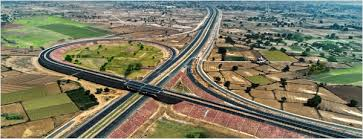
The eight‑year Rs 3,300 cr facility will replace existing SPV debt, centralise servicing and target a 1.8× debt‑service coverage ratio, backed by a 3,145‑km toll‑road portfolio and net‑debt at 36% of enterprise value.
The grant, approved on March 27, 2026, sets the exercise price at Rs 387.95 per share, aiming to align staff interests with shareholders while modestly diluting ownership if fully exercised.
The video‑conference meeting is set for 28 April 2026, with e‑voting open from 24‑27 April. The share‑exchange plan gives JB shareholders Torrent shares, aiming for cost synergies and a larger product pipeline.
The firm said the fairness opinion will be provided by SEBI‑registered Sobhagya Capital Options, not Aftertrade Broking, and confirmed the valuation, share‑exchange ratio and timeline stay unchanged.
The abstracts will be shown in Denver from March 27‑31, covering psoriasis, alopecia areata and acne, and analysts estimate the pipeline could generate $200‑$300 million of annual sales within three to five years.
CARE removed the watch and reaffirmed Fusion Finance’s A‑stable rating on its ₹150 crore debentures and ₹1,500 crore long‑term bank facilities, giving the lender scope for cheaper funding and expansion.
The board named Debjyoti Roy as an additional whole‑time director and reinstated Damodar Mittal, each for a three‑year term; Roy joins from Tata Steel and Mittal returns after 37 years at Jindal, with shareholder approval pending.
The Rs 72.57 crore (≈ $9 million) guarantee is recorded as a contingent liability, leaving cash flow unchanged, and aims to strengthen Swan LNG’s credit profile for future projects.
The bank will open branches in Ballari (Karnataka), Anand (Gujarat) on March 30, 2026, and Pandalkudi (Tamil Nadu). The sites aim to attract deposits and new loans, though setup costs could pressure near‑term earnings.
The deal, signed with a top Indian power producer/EPC firm, is slated for delivery by March 2026 and should contribute roughly Rs 1.4‑2.2 crore to gross profit, boosting FY 2026 turnover.
On March 25, Kuttukaran Homes bought 42,846 shares, lifting its holding to 64,600 shares (about 0.09% of the 71.2 million issued). The filing met SEBI rules and signals modest promoter confidence.
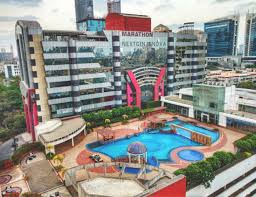
The cash deal gives Marathon 51% control of the firms and adds a pipeline worth over Rs 840 crore in gross development value, though the outflow will reduce short‑term liquidity.
Inventurus placed $19,000,476 into IKS Inc., buying 29,541 shares of its Knowledge Solutions unit to fund R&D and product rollout, with benefits expected in 12‑24 months and no immediate impact on consolidated earnings.
The company sold 1.41 million shares at ₹110 each, raising about ₹15.51 crore to retire unsecured debt and cut leverage, while promoters' holdings increase modestly.
The agency lifted its long‑term loan rating to A (Stable) and short‑term limit to A1, expanding facilities from Rs 175 cr to Rs 355 cr. The firm also announced a Rs 500 cr capex plan to grow aerospace and defence production, with exports accounting for over 80% of revenue.
The promotion of Shashidhar Ramakrishnaiah, who has over 30 years in AI and cloud, is intended to boost generative AI and integrated enterprise services, as Chief Practice Officer Mrunal Majmudar will exit on 27 Mar 2026.
Kumar's resignation also ends his seat on Symphony's Risk Management Committee, prompting a SEBI filing and a board search for an interim or permanent successor, which could raise short‑term execution risk and share‑price volatility.
Shareholders can vote from 1 April to 30 April 2026, with the ballot also approving ₹2,010 crore of related‑party deals with wind‑power unit VRPL and raising the Section 186 ceiling from ₹2,500 crore to ₹3,300 crore.
The appointment takes effect on March 27, 2026 and brings 29 years of electro‑chemical storage R&D experience, including a senior role at General Motors, to accelerate Ashok Leyland’s battery innovation and cut costs.
The three‑year mandate starts May 1 2026 after shareholders approved the postal ballot on March 27, and rates the CEO 8/10 for continuity, with no change to capital structure or dividend policy.
The off‑market purchase of 8.5 lakh shares was completed on 25 Mar 2026, lifting the promoter’s holding from 28 % to 53 % of the 10‑crore‑share capital, while the company’s capital structure remains unchanged.
The deal, valued at Rs 683.84 crore (Rs 80.48 crore equity and Rs 134.94 crore loans), was completed on 27 Mar 2026 and provides roughly Rs 215 crore of cash, while the sold assets accounted for just 1.3% of FY‑2025 revenue.
The board approved Version 3 of the Fair Disclosure Code, aligning DMCL with SEBI’s 2018 insider‑trading rules, adding a digital register for unpublished price‑sensitive information and modest compliance costs while reducing regulatory risk.
The five listed debentures carry coupons between 7.95% and 8.65%, with record dates from April 17 to May 7 and maturities spanning June 2026 to May 2029, reflecting stable debt‑servicing and predictable cash outflows.
The 48‑month, $10,000‑face bonds will pay a 300 bps spread over SOFR semi‑annually, are listed on the India International Exchange, and the proceeds will fund expansion, working capital and refinance higher‑cost debt.
The firm paid INR 2 crore while promoter Suresh Venkatachari contributed INR 1.5 crore, a one‑time cash outflow that will appear in the current quarter’s cash‑flow statement but does not affect earnings or capital structure.
The new outlets in Tamil Nadu, Uttar Pradesh and Maharashtra raise the chain’s network to 477 stores and are expected to lift FY2026‑27 sales, though the company left its earnings guidance unchanged.
On 25 Mar 2026, 150,000 shares were transferred from Ilaben Patel to Mahesh Gajera, lifting the promoter’s holding from 2.8% to 5.3% of the 10 crore‑share capital, with no cash paid and no dilution to existing shareholders.
Mittal assumes Managing Director and CEO duties on July 1 after Peter Bains exits on June 30, while Shaw becomes executive chair on April 1; both serve five‑year terms aimed at expanding biosimilars and GLP‑1 therapeutics.
Vraj Iron and Steel boosted its promoter holding to 71.36% after an off‑market transfer of 5,555,500 shares (16.84%) on 18 Mar 2026. - The transfer moved shares from VA Transport Private Limited to Gopal Sponge and Power Private Limited, raising the promoter group’s stake from 54.52% (1,79,82,900 shares) to 71.36% (2,35,38,400 shares); VA...
CRISIL raised Danish Power’s long‑term rating to A‑/Stable (from BBB+/Positive) and short‑term to A2+ (from A2), increasing its loan pool to Rs 185 crore – Rs 51 crore higher – and could cut borrowing spreads by up to 1 %.
The outgoing finance chief left on March 27, and the board named Kunal H. Vadhani as CFO effective March 28, citing his 15‑year track record in compliance, treasury and corporate governance; analysts rate the change 7/10.
He will assume the role on April 1, 2026, bringing 25 years of tech and finance experience and a plan to accelerate growth through new verticals and a platform‑led model, with no impact on the balance sheet.
At an extraordinary general meeting on March 27, Lloyds added former railway chief Vinay Tripathi, ex‑IAS officer Apurva Chandra and mining executive Balasubramaniam Prabhakaran, meeting SEBI’s independence rule.
The promoter JBCG Advisory paid ₹58.28 crore for the conversion, lifting paid‑up equity to ₹48.68 crore and raising its stake from 35.85% to 39.44% while adding about 2.72 million shares.
The three directors appointed by the Ministry of Coal left the board on 27 March 2026, a routine change that does not affect NLC India’s projects or earnings. The company will soon nominate replacements to maintain required board independence.
Mr. Saraswathula Sivaramakrishna Mohan Babu takes a three‑year term and holds 2,44,702 shares, while the board approved an unsecured ₹4 crore loan and plans to raise the overall borrowing limit to ₹25 crore, subject to an EGM on 24 Apr 2026.
Shareholders voted remotely from March 24‑26, approving warrants that let promoters buy shares at a set price and increasing the debt ceiling to fund expansion of the Sanand plant and other projects.
Jain will leave on 31 March 2026 for personal reasons; the company says the change is administrative and will not affect revenue, profit margins or cash‑flow forecasts.
The conversion priced shares at ₹11.21 each, raising ₹33.63 million, of which ₹2.522 million was received earlier. After the deal, 65 lakh warrants remain, which could bring up to ₹73.5 million if exercised.
The company filed the SEBI‑mandated disclosure after its 27 March board meeting, confirming no material resolutions, financial results or strategic moves, and assigning a neutral 5‑out‑of‑10 impact score.
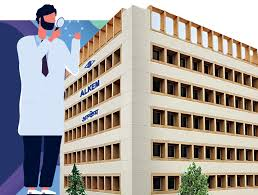
Deo, who brings 29 years of sales experience, joins Alkem on 27 March 2026 to drive revenue growth and market‑share expansion, with no impact on the company’s shareholding, capital structure or dividend policy.
On March 27, 2026 the firm paid Rs 4.36 crore ($525,000) – about 8.9% of its Rs 49 crore non‑convertible debenture issue – complying with SEBI rules and earning a 7‑out‑of‑10 analyst outlook.